
- Since 2018Cleaning and maintaining commercial buildings across the North West
- Fully insuredComprehensive public liability cover on every job
- Trained teamsAccredited operatives, trained for work at height
- 24 hoursTypical turnaround on a written quote
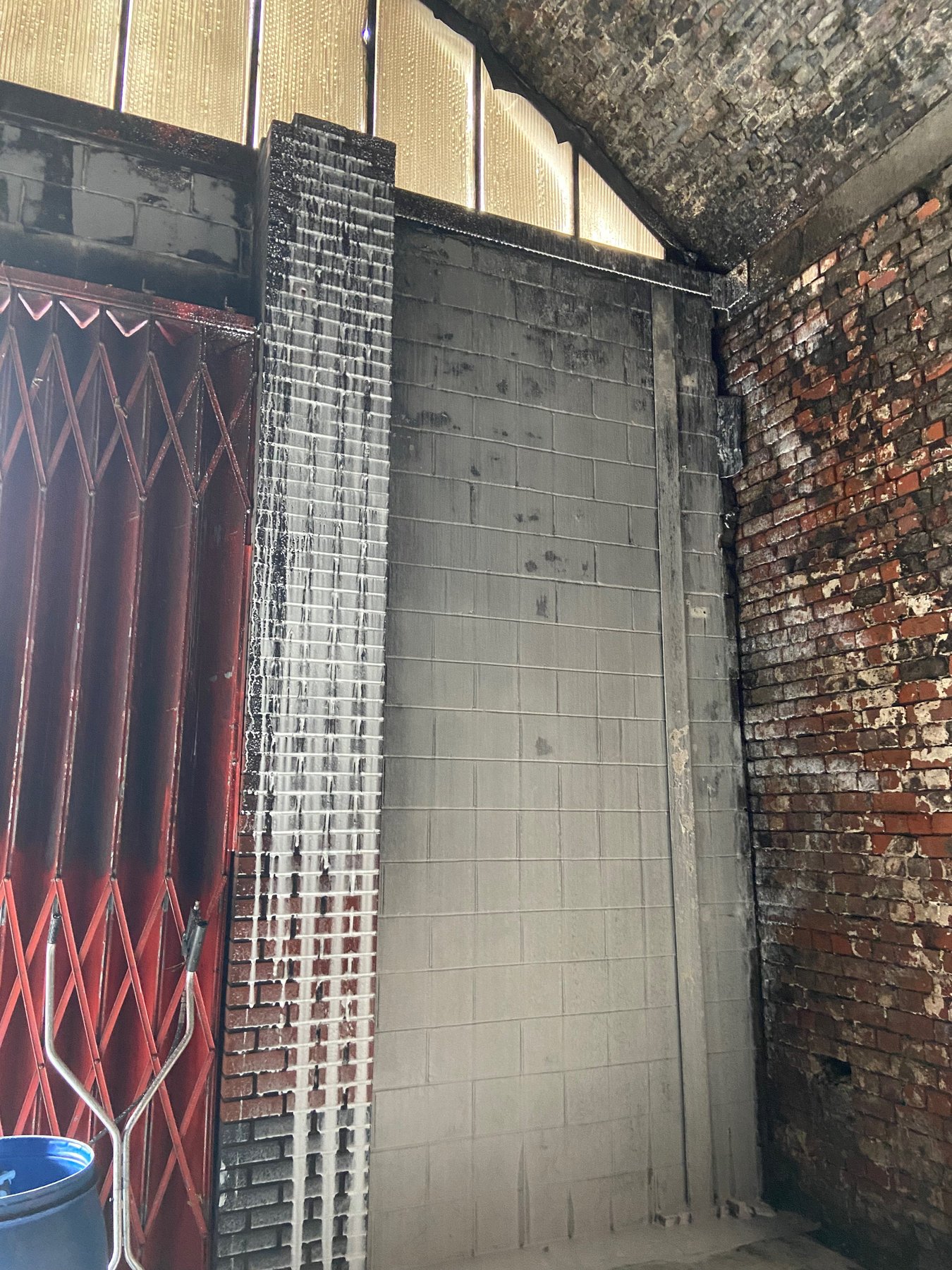
The fire stops when it is put out. The damage does not. Soot is acidic, and within days it etches glass, pits chrome and stainless steel, corrodes electrical contacts and works its way permanently into porous surfaces.
Smoke also travels much further than the fire itself. Rooms two floors up with no visible damage will still hold the smell, because odour molecules sit in fabric, plaster and ductwork.
Getting there quickly matters
The first 72 hours decide how much is recoverable. Metal fixtures, electronics, glazing and finished surfaces can often be saved if soot is removed promptly, and are frequently written off if it sits for a fortnight.
We attend, assess and start protecting what is salvageable while the loss adjuster process is still getting going.
Soot and residue removal
Different fires leave different residues, and the wrong method makes it worse. Dry smoke from a fast, hot fire is powdery and vacuums off; wet smoke from a slow smouldering fire is sticky and smears if you touch it with a damp cloth first.
Protein residue from a kitchen fire is nearly invisible and has an overwhelming smell. Each needs its own chemistry and sequence, which is most of the skill in this work.
Odour, not masking
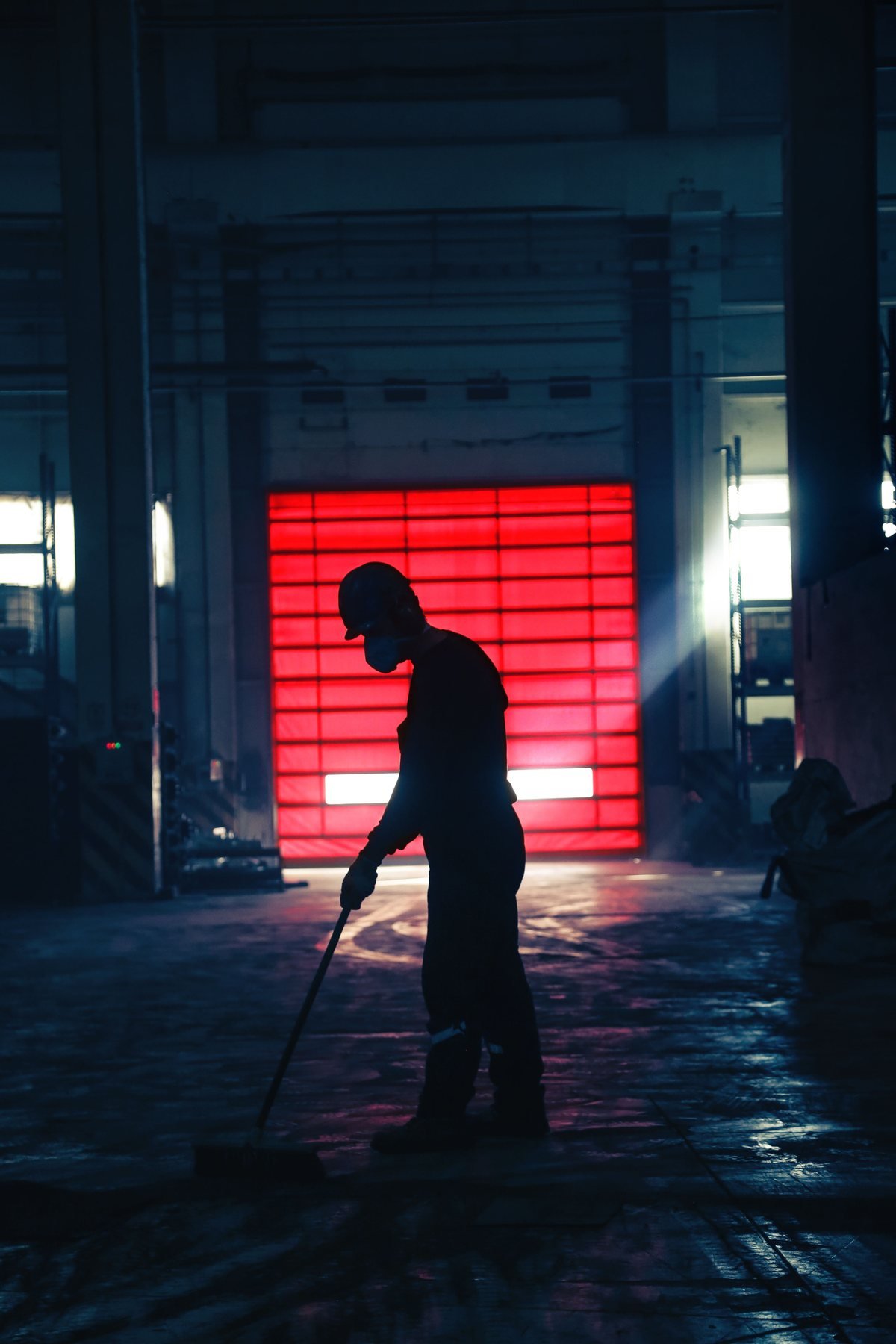
Air fresheners and ozone bombs on their own do not fix smoke odour. If the source residue is still in the cavity, the ductwork or the underlay, the smell returns the first warm day.
We remove the source, seal what cannot be removed, and use thermal fogging or hydroxyl treatment to neutralise what is left in soft furnishings and porous surfaces.
Scope of works
-
Emergency assessment
Rapid survey of what is salvageable and what needs protecting immediately, with a photo record.
-
Corrosion control
Treatment of metals, electrical fittings and glazing before acidic soot causes permanent pitting.
-
Deep cleaning
Surfaces, contents, ductwork and structure cleaned by residue type, not by one blanket method.
-
Odour neutralisation
Thermal fogging and hydroxyl treatment after source removal, so the smell does not come back.
Ready for a price?
Send a few photos and a postcode and we will come back with a fixed written quote, usually within one working day.
Frequently asked questions
As soon as the fire service has released the building and it is structurally safe. Soot damage is progressive, so every day of delay moves items from cleanable to replaceable.
In most cases, provided the source residue is properly removed first. Odour treatments applied over remaining soot are temporary. Where residue is in a wall cavity or a duct, that area has to be opened, cleaned and sealed.
Yes, routinely. We document everything, provide itemised scopes and reports, and liaise with the adjuster directly. It is usually best to get us on site early and let the paperwork catch up.
Often, if we get to them quickly. Soot on circuit boards is conductive and corrosive, so specialist cleaning within days can recover equipment that would be scrap after a month.
More from this kind of job
Where we work
We are based in Manchester and cover the whole of the North West from here. For roof work and multi-site contracts we travel nationally, and have worked on sites from Bristol to Leicester. If your site is not on the list, ask anyway.
- Manchester
- Liverpool
- Chester
- Warrington
- Preston
- Blackpool
- Lancaster
- Bolton
- Stockport
- Wigan
- Rochdale
- Salford
- Leeds
- Sheffield
Other services you might need
Request a quote
Send us the details and we'll come back with a fixed price. No pressure, no sales calls.