
- Since 2018Cleaning and maintaining commercial buildings across the North West
- Fully insuredComprehensive public liability cover on every job
- Trained teamsAccredited operatives, trained for work at height
- 24 hoursTypical turnaround on a written quote
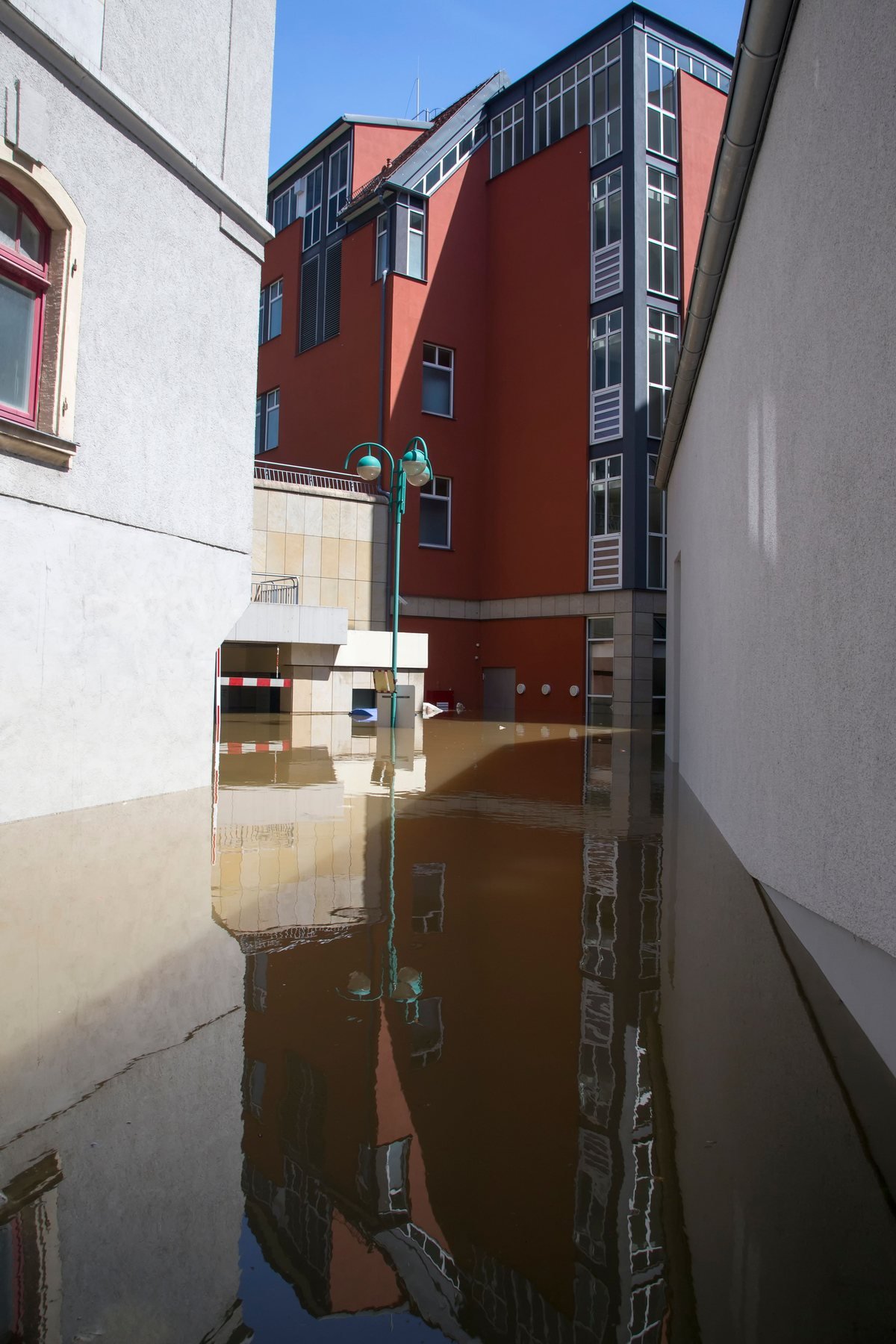
After a flood the damage carries on happening. Water wicks up plasterboard, gets under floor coverings and into cavities, and mould establishes within around 48 hours. What you do in the first day or two decides how much of the building you keep.
We provide emergency response for commercial premises across the North West: extraction, strip-out, sanitisation and controlled drying, with moisture readings documented throughout for your insurer.
Immediate response
First job is stopping the source and making the area safe, which usually means isolating electrics before anyone walks into standing water. Then bulk water extraction with submersible pumps and wet vacuums, and moving salvageable stock and equipment out.
Ring us before you start pulling up flooring. What gets removed and what gets dried is a decision worth two minutes of advice, because throwing out a floor that could have been dried is money your insurer may not refund.
Sanitisation
Clean water from a burst pipe is one situation. Flood water from a river or a sewer is another entirely: category three water carries bacteria and contaminants, and anything porous it touched is usually a write-off.
We clean and apply an antimicrobial treatment to all affected surfaces, and we will be straight with you about what has to be disposed of rather than salvaged.
Drying and monitoring
Dehumidifiers and air movers are positioned to a drying plan rather than dotted around, because badly placed equipment dries the air and not the structure. We take moisture readings daily and log them.
That log is what proves the building was dried to a normal reading rather than just looking dry, and it is exactly what a loss adjuster wants to see before signing off reinstatement.
What we handle
-
Water extraction
Submersible pumps and wet vacuums for standing water, however deep.
-
Strip out
Removal and disposal of contaminated floor coverings, plasterboard and insulation where drying is not viable.
-
Antimicrobial treatment
Sanitisation of all affected surfaces, which matters most with sewage or river water.
-
Documented drying
Daily moisture readings and a written record for your insurer or loss adjuster.
Ready for a price?
Send a few photos and a postcode and we will come back with a fixed written quote, usually within one working day.
Frequently asked questions
We aim to be on site within hours for commercial emergencies in the North West. Call rather than email if water is still standing, and isolate the electrical supply before anyone enters the area.
Yes. We document the damage photographically, log moisture readings daily and provide a written report. Tell us the claim reference and the loss adjuster's contact and we will deal with them directly.
Typically five to fourteen days depending on how much water got in, what the structure is built from and how well contained the area is. Screed and thick masonry take considerably longer than a stud wall. We monitor until readings return to normal rather than working to a fixed number of days.
It depends on the water category. Clean water from a burst pipe leaves most things salvageable if drying starts quickly. Sewage or river water means anything porous it touched, including carpet, underlay, insulation and lower plasterboard, normally has to go.
More from this kind of job

Where we work
We are based in Manchester and cover the whole of the North West from here. For roof work and multi-site contracts we travel nationally, and have worked on sites from Bristol to Leicester. If your site is not on the list, ask anyway.
- Manchester
- Liverpool
- Chester
- Warrington
- Preston
- Blackpool
- Lancaster
- Bolton
- Stockport
- Wigan
- Rochdale
- Salford
- Leeds
- Sheffield
Other services you might need
Request a quote
Send us the details and we'll come back with a fixed price. No pressure, no sales calls.